Our Educational Projects
Documenting our journey in early childhood education and community learning initiatives
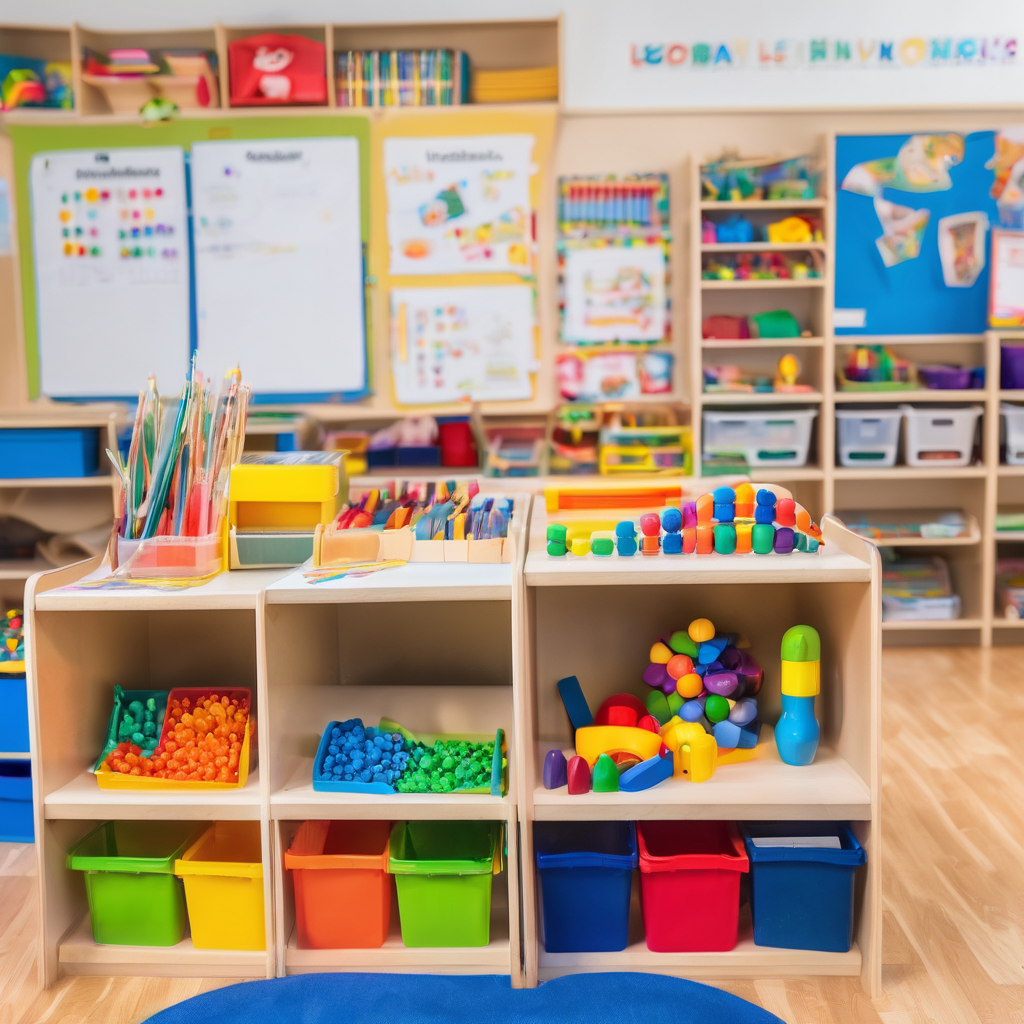
Quality Learning Environments: A Parent’s Perspective
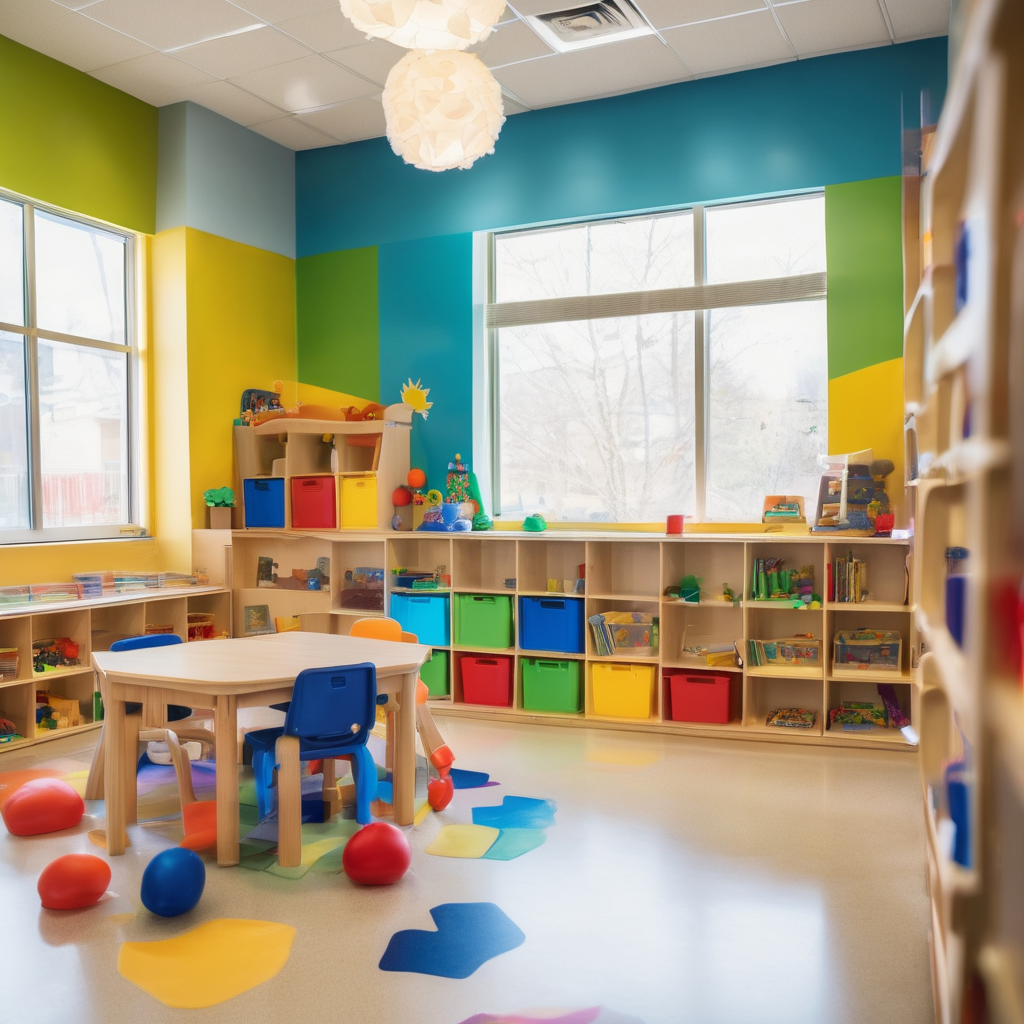
When you’re evaluating educational options for your children, the physical learning environment matters just as much as the curriculum. Over the past several years, I’ve been documenting various early childhood programs and learning centers in our community, and I’ve noticed that the best ones share common characteristics: intentional classroom design, organized learning stations, and spaces that genuinely support child development.
The research is clear on this. The Harvard Center on the Developing Child has shown through decades of research that the physical environment plays a crucial role in brain development. Children learn through sensory experiences, hands-on exploration, and organized play. When I visit high-quality childcare facilities, I see this principle in action: learning stations strategically positioned, materials at child height, and spaces designed with both safety and curiosity in mind.
Featured Project Categories
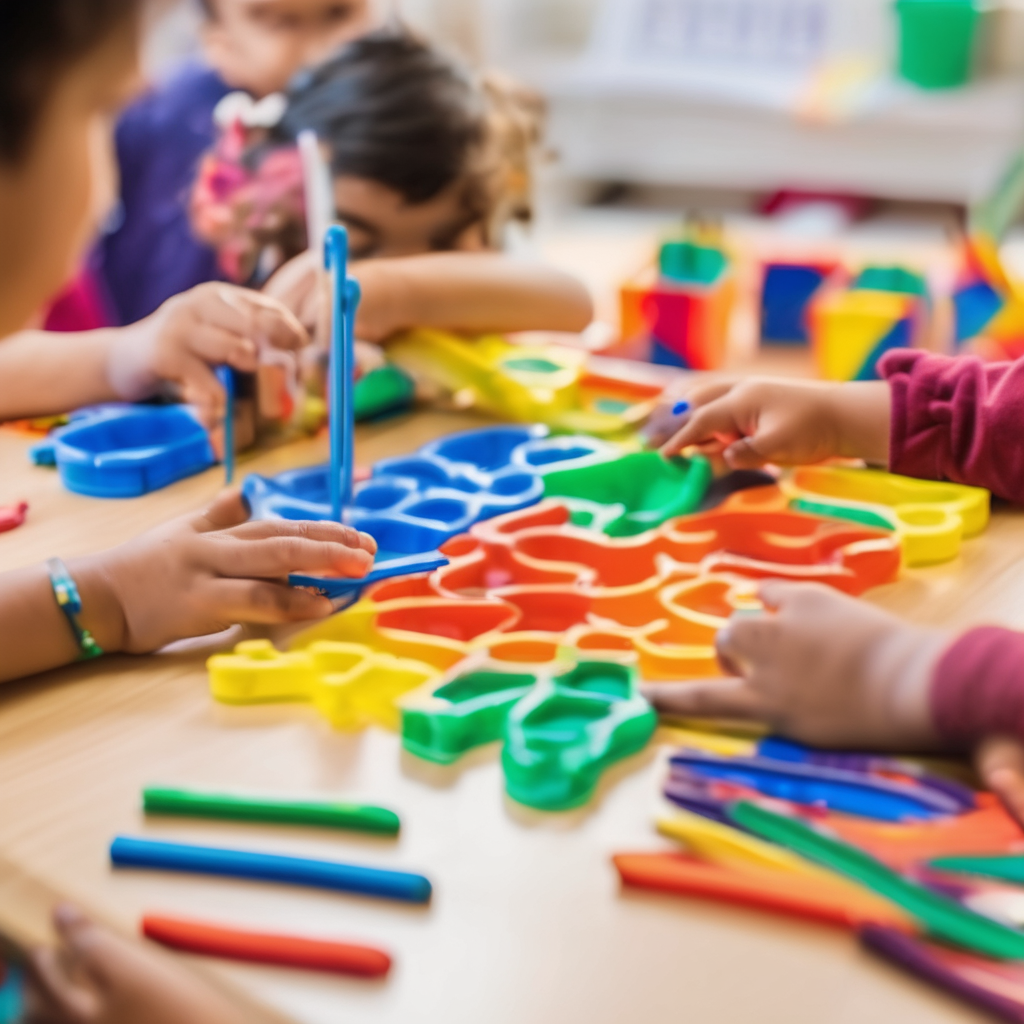
Interactive Learning Spaces
I’ve documented how the best early childhood programs create intentional interactive spaces where children actively engage with learning materials. These aren’t passive viewing environments—they’re dynamic spaces that encourage exploration, problem-solving, and peer interaction. The way a classroom is organized directly impacts how children approach learning.
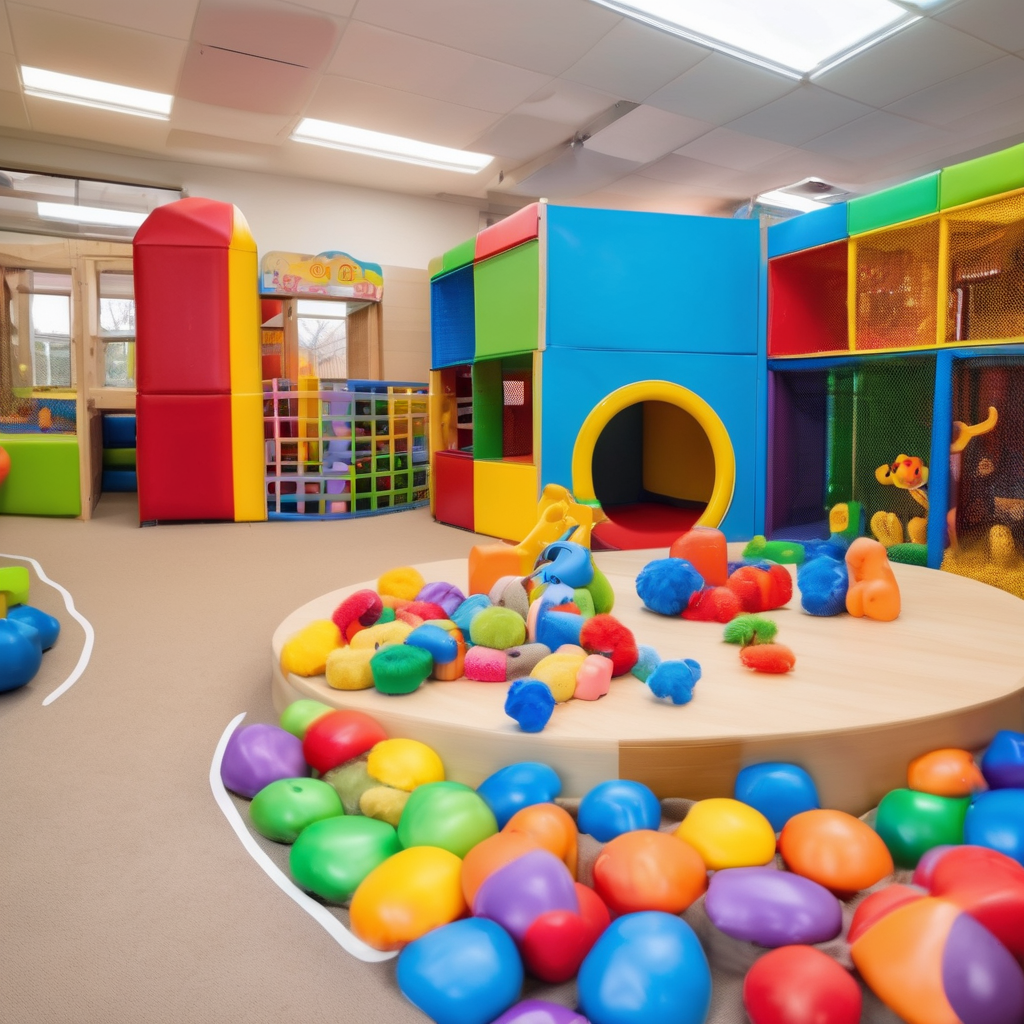
Safe Outdoor Learning
Outdoor play is not just recreation—it’s essential for early childhood development. I’ve been tracking how quality programs design safe, engaging outdoor spaces that encourage physical activity, nature exploration, and risk-appropriate play. The CDC provides excellent guidance on creating safe outdoor environments for young children, and I’ve seen how leading programs implement these best practices.
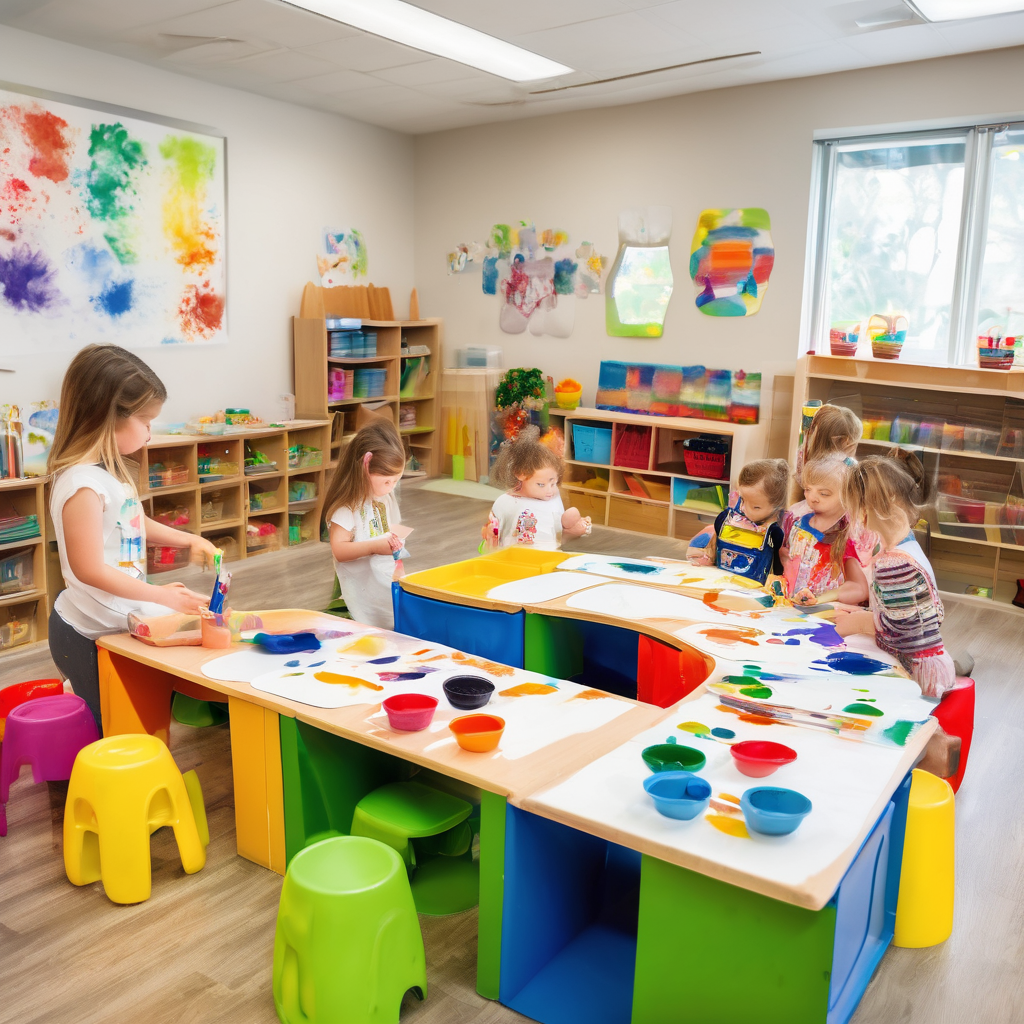
Creative Expression Programs
Art and creative play are fundamental to child development. Through my documentation projects, I’ve observed how excellent programs integrate artistic expression throughout the day—not just as an occasional activity. These programs understand that painting, sculpting, and creative play develop fine motor skills, emotional expression, and cognitive flexibility.
Hands-On Learning Materials
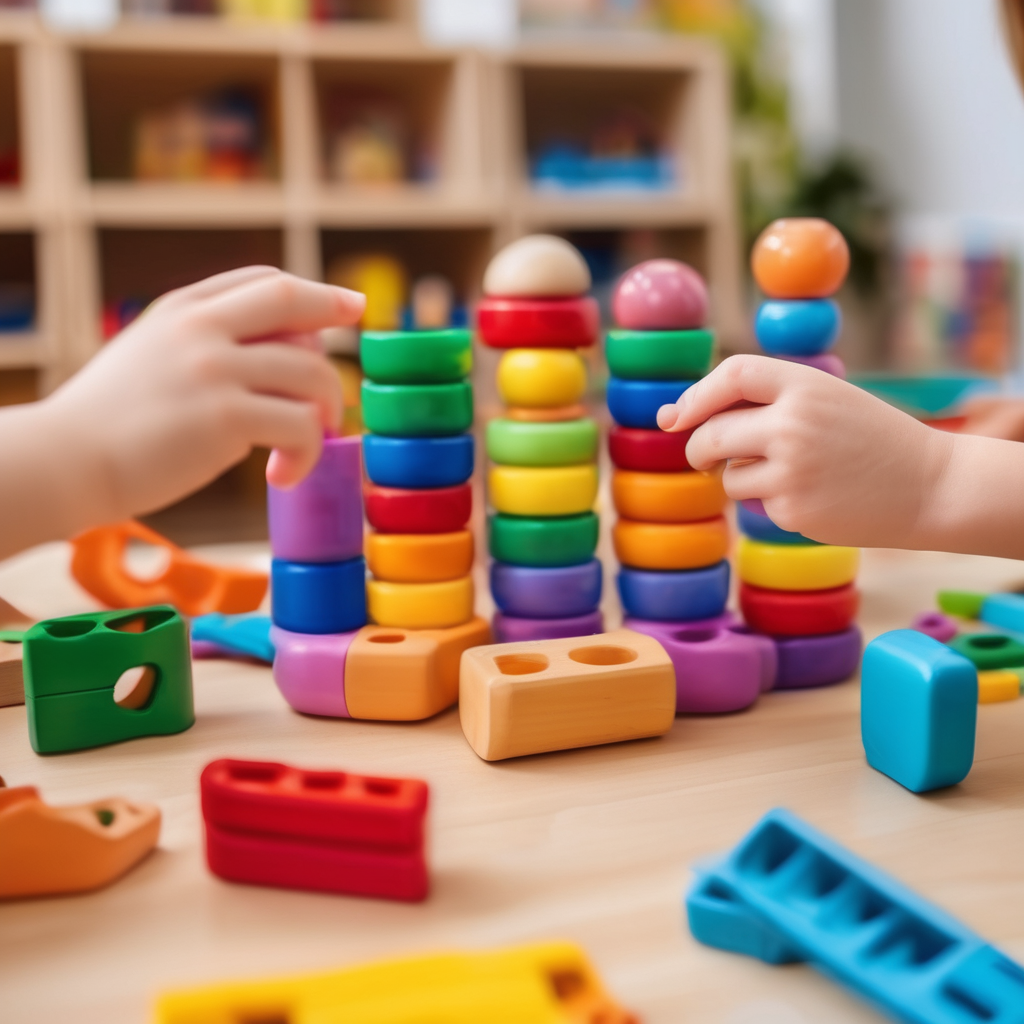
The quality of learning materials directly influences child engagement and development outcomes. I’ve documented how top-tier programs carefully curate toys, manipulatives, and learning materials that support cognitive, physical, and emotional development. These aren’t random collections—they’re intentionally selected to support specific developmental milestones.
What Makes Early Childhood Programs Exceptional
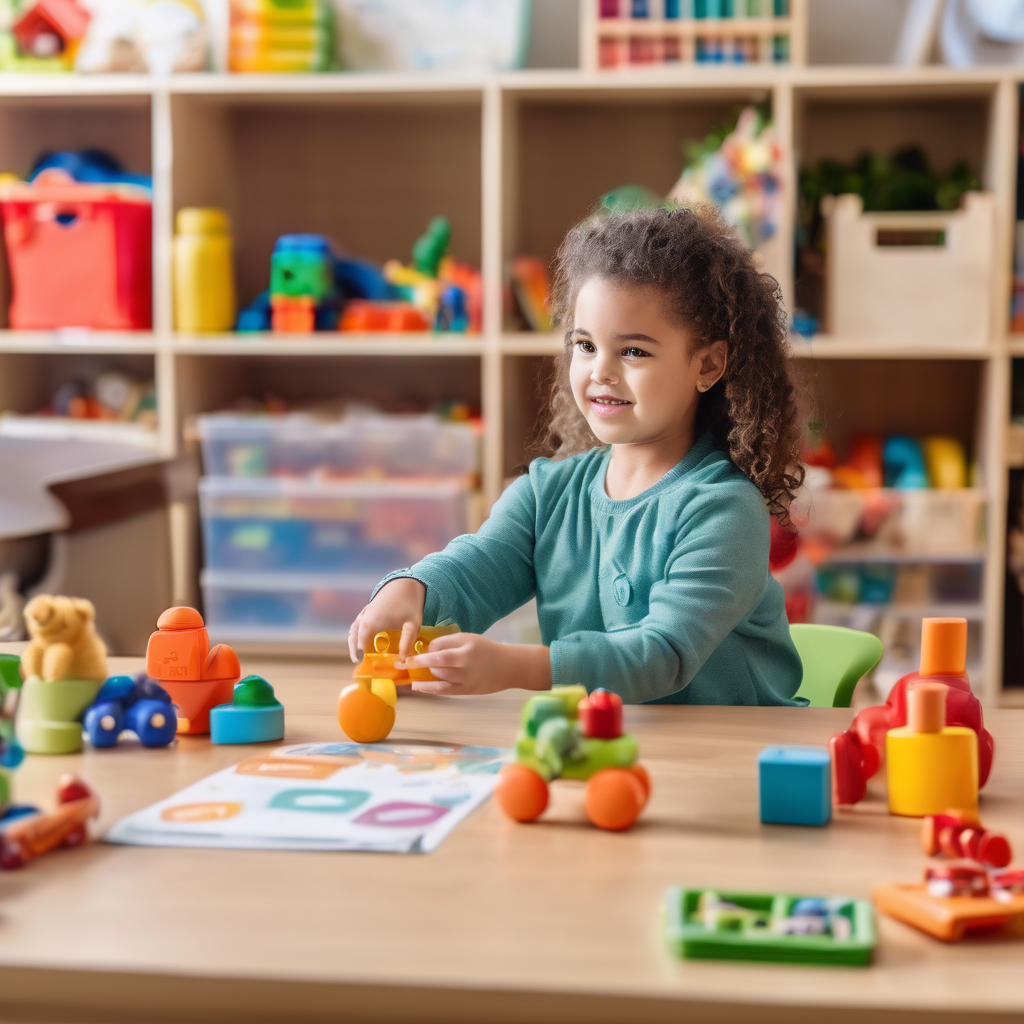
Through my years of documentation and research, I’ve identified several key characteristics that distinguish exceptional early childhood programs from average ones. First and foremost is the quality of educator-child relationships. The best programs invest in well-trained, supported staff who genuinely understand child development. This isn’t just my observation—it’s backed by extensive research.
The National Association for the Education of Young Children (NAEYC) has established comprehensive professional standards that guide quality programming. When I evaluate programs, I look for evidence that they’re aligned with these professional standards. Programs that pursue NAEYC accreditation demonstrate a serious commitment to quality and continuous improvement.
Second, exceptional programs create intentional, developmentally-appropriate learning experiences. This means moving beyond a one-size-fits-all approach to recognize that children develop at their own pace. Quality programs observe children carefully, document their interests and growth, and adapt instruction accordingly.
Third is the strength of family engagement. I’ve documented how leading programs view families as partners in the educational journey. Regular communication, parent involvement opportunities, and genuine partnerships create stronger outcomes for children. Families feel valued, informed, and supported.
Research-Backed Quality Indicators
As a parent documenting educational programs, I’ve learned that understanding research-backed quality indicators is essential. When I’m evaluating a program, I ask specific questions based on evidence about what matters for child development.
- Teacher-Child Ratios: Research consistently shows that lower ratios (more teachers per child) lead to better outcomes. I look for programs that maintain ratios that allow for meaningful one-on-one interactions.
- Curriculum Framework: Quality programs follow research-based curriculum frameworks that guide learning experiences. Rather than random activities, there’s intentional planning aligned with developmental milestones.
- Assessment and Documentation: Exceptional programs regularly assess children’s development and document progress. This isn’t for testing—it’s for understanding each child’s unique learning journey and supporting their growth.
- Professional Development: Staff who are continuously learning provide better care. I prioritize programs where educators pursue ongoing professional development and stay current with research.
- Family Communication: Transparent, regular communication with families is a hallmark of quality. Programs should keep parents informed about what’s happening in the classroom and how they can support learning at home.
- Safe Learning Environment: Physical safety is non-negotiable, but quality extends beyond basic safety to creating emotionally safe spaces where children feel secure taking learning risks.
For comprehensive guidance on evaluating childcare quality, Child Care Aware of America provides excellent resources and state-specific information that can help families navigate their options.
Ongoing Documentation Projects
I’m continuously documenting how quality early childhood programs operate and evolve. My current projects focus on several key areas that matter most to parents making childcare decisions.
Program Observation Series: I spend time in quality programs observing classroom dynamics, teacher interactions, and how children engage with learning. These direct observations reveal what research findings look like in practice.
Family Experience Documentation: I interview families about their childcare experiences, documenting their perspectives on quality, communication, and outcomes. These stories provide real-world context for research findings.
Curriculum Comparison Analysis: Different programs follow different curriculum approaches. I’m documenting how various evidence-based curricula work in practice—from Montessori to Waldorf to play-based learning approaches.
Development Milestone Research: I’m tracking how quality programs support children across developmental domains—cognitive, physical, social-emotional, and language development. This helps me understand which practices truly support growth.
Why This Documentation Matters
Choosing an early childhood program is one of the most important decisions parents make. The quality of a child’s early learning experiences has lasting impacts on their development, school readiness, and long-term outcomes. Through my documentation projects, I’m working to help families make informed decisions based on research and real-world observation rather than assumptions.
I believe in the power of quality early childhood education to transform lives. Every child deserves access to programs that support their unique development, honor their individuality, and set them on the path to success. By sharing what I’ve learned through my documentation projects, I hope to contribute to a broader understanding of what quality looks like and inspire communities to prioritize excellent early childhood programming.
If you’d like to learn more about evaluating early childhood programs or share your own experiences, I’d love to hear from you. Quality education starts with informed, engaged families and communities.
Want to Learn More?
Connect with us to explore quality early childhood programs and resources for families in our community.